Why Dogs Smell Human Private Parts and What They Are Trying to Tell You
Dogs are loving, intelligent, and sometimes hilariously awkward companions. One of the most embarrassing things many dog owners experience is when their dog suddenly walks up to a guest and starts sniffing their private area. While humans may feel uncomfortable or confused, dogs see this behavior as completely normal.
If you have ever wondered why dogs smell human private parts, the answer is surprisingly scientific. Dogs rely heavily on their sense of smell to understand the world around them. What humans learn through conversation and visual observation, dogs often discover through scent alone.
This behavior is not about bad manners or strange behavior. It is actually part of a dog’s natural communication system. Their noses help them identify people, detect emotions, notice health changes, and gather important information about the humans they meet.
In this detailed guide, you will learn why dogs smell private areas, what information they may be trying to detect, how their powerful noses work, and how pet owners can gently manage this behavior in social situations.
Dogs Experience the World Through Smell
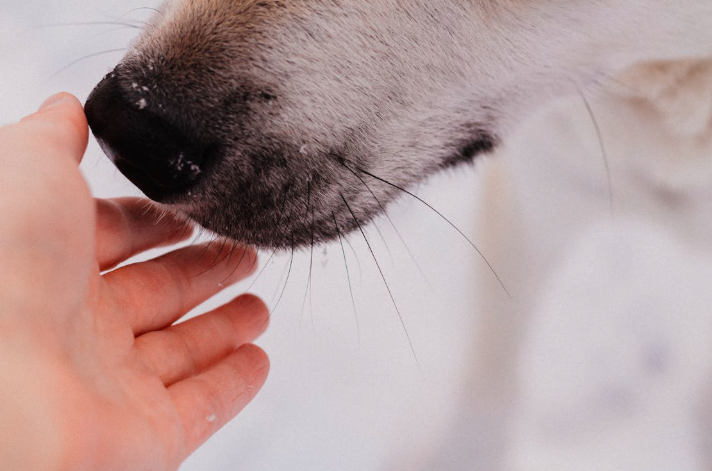
Humans mainly depend on vision and speech, but dogs experience life very differently. A dog’s nose is one of the most powerful sensory tools in the animal kingdom.
Scientists believe dogs can have up to 300 million scent receptors inside their noses, compared to only about 5 million in humans. The part of a dog’s brain responsible for analyzing smells is also much larger than the human equivalent.
Because of this incredible ability, dogs can gather information from scents that humans cannot even notice.
Dogs can often detect:
- Emotional changes
- Hormonal shifts
- Illness
- Stress
- Familiarity
- Fear
- Excitement
- Gender differences
For dogs, smelling is similar to humans reading a profile or introduction.
Why Dogs Focus on Human Private Areas
The human body produces scent everywhere, but some areas release stronger odors than others. The groin area contains apocrine sweat glands, which produce stronger body scents and chemical signals.
Dogs naturally investigate these areas because they contain the richest scent information.
There is also a simple physical reason. Many dogs are naturally at waist height, making the private area one of the easiest places to smell when greeting someone.
To humans, this may feel awkward. To dogs, it is simply an efficient way to gather information.
Dogs Use Smell to Identify People
Every human has a unique scent fingerprint. Even identical twins can smell slightly different to a dog.
When dogs sniff someone, they may be trying to identify:
- Whether they know the person
- Where the person has been
- Whether the person has pets
- Emotional condition
- Physical health changes
Dogs can often remember people through scent for years.
This is why many dogs become excited when smelling a familiar person, even before seeing them clearly.
Dogs Can Detect Human Emotions
One fascinating reason dogs sniff humans is emotional detection. Dogs are highly sensitive to chemical changes linked to emotions.
When people experience emotions like fear, stress, happiness, or nervousness, the body releases hormones and chemicals that slightly change body odor.
Dogs may investigate these scent changes more closely because they help the dog understand a person’s emotional state.
This explains why dogs sometimes become especially interested in anxious or nervous individuals.
Can Dogs Smell Fear?
Many people have heard the phrase “dogs can smell fear.” While dogs do not magically read minds, science suggests they can detect body chemistry changes linked to fear and stress.
When humans feel scared or anxious, the body releases stress hormones and sweat compounds that dogs may notice.
Dogs can respond to these changes in different ways:
- Curiosity
- Alertness
- Protective behavior
- Nervousness
- Increased sniffing
Their strong noses allow them to notice subtle chemical signals humans cannot detect themselves.
Why Dogs Sniff Pregnant Women More Often
Pregnancy causes major hormonal changes in the body, and dogs are extremely sensitive to these changes.
Many pregnant women report that dogs suddenly become more affectionate, protective, or curious around them.
Dogs may notice:
- Hormonal fluctuations
- Changes in body temperature
- Emotional shifts
- Altered scent patterns
Although dogs do not understand pregnancy the same way humans do, they can often tell that something is different.
Some dogs even become unusually calm or protective around pregnant owners.
Dogs May Detect Illness Through Smell
Research continues to show that dogs can detect certain health conditions using scent alone.
Some specially trained dogs can identify:
- Certain cancers
- Low blood sugar
- Seizures
- Infections
- Diabetes complications
Dogs detect chemical changes released by the human body during illness.
While not every sniffing behavior means a medical issue exists, dogs are capable of noticing changes humans may not detect themselves.
This remarkable ability has even led to medical detection dogs being trained for hospitals and healthcare support.
Why Some People Get Sniffed More Than Others
Not everyone receives the same level of attention from dogs. Some individuals attract much more sniffing than others.
Several factors may increase canine curiosity.
Hormonal Changes
Pregnancy, menstruation, puberty, or hormone imbalance can change body scent.
Sweating
Exercise and sweating create stronger odors that dogs notice easily.
Other Animal Scents
Dogs may detect the smell of another pet on someone’s clothing or skin.
Emotional Stress
Anxiety changes body chemistry and may trigger more interest from dogs.
Strong Fragrances
Perfumes, lotions, soaps, and scented products can attract canine attention.
Why Dogs Sniff Each Other Too
Dogs do not only sniff humans this way. They greet other dogs similarly.
When dogs meet, they often smell each other’s rear areas because those areas contain scent glands rich in information.
Through scent, dogs can learn:
- Age
- Gender
- Health
- Mood
- Reproductive status
- Familiarity
When dogs smell humans in sensitive areas, they are often applying the same instinctive greeting behavior.
Is It Bad Behavior?
In most cases, no. Sniffing is natural dog behavior and is usually harmless.
Dogs are not trying to embarrass anyone. They are simply using their strongest sense to gather information.
However, humans have social boundaries, and excessive sniffing can become uncomfortable during social interactions.
This is why many owners choose to train dogs to greet guests more politely.
How to Stop Dogs From Smelling Guests Inappropriately
Although the behavior is normal, it can still be managed through training and redirection.
Teach Basic Commands
Commands like “sit,” “stay,” and “leave it” help redirect attention.
Reward Calm Greetings
Praise your dog for calm behavior around guests.
Redirect Their Focus
Offer toys or treats when visitors arrive.
Avoid Encouraging Jumping
Excited dogs are more likely to sniff excessively.
Socialize Your Dog
Well socialized dogs often greet people more calmly.
Stay Patient
Punishing a dog harshly may create anxiety or confusion. Gentle correction works better.
Why Puppies Sniff Everything
Puppies explore the world primarily through smell. They are naturally curious and still learning boundaries.
Young dogs often sniff more because:
- They are discovering new scents
- They lack social training
- Everything feels new and exciting
As puppies mature, consistent training usually reduces excessive sniffing behavior.
Dog Breeds With Stronger Scent Abilities
Some breeds are naturally more scent focused due to their genetics and working history.
These breeds may sniff more frequently:
- Beagles
- Bloodhounds
- Basset Hounds
- German Shepherds
- Labrador Retrievers
- Belgian Malinois
These dogs were bred for tracking, hunting, and scent detection work.
The Science Behind a Dog’s Powerful Nose
A dog’s nose works far differently from a human nose.
Dogs can separate and analyze multiple scents at once. They can even detect scent direction using airflow patterns in each nostril.
Scientists believe dogs can identify incredibly tiny scent particles in the air.
This ability explains why dogs are used in:
- Search and rescue
- Medical detection
- Police work
- Drug detection
- Explosive detection
- Wildlife tracking
Their noses are truly extraordinary biological tools.
Funny Situations Dog Owners Understand
Many dog owners have experienced embarrassing moments involving sniffing.
For example:
- A dog greeting guests too enthusiastically
- A dog repeatedly sniffing one specific person
- A dog focusing on someone after exercise
- Dogs becoming obsessed with visitors carrying food smells
Although awkward, these situations are usually harmless and often funny afterward.
When Sniffing Could Signal a Problem
Normal sniffing is harmless, but certain behaviors may need attention.
You should consult a veterinarian or trainer if your dog:
- Becomes obsessive
- Ignores commands completely
- Shows aggression
- Appears anxious
- Suddenly changes behavior dramatically
Excessive fixation can sometimes indicate anxiety, stress, or medical issues.
What Veterinarians Say About This Behavior
Most veterinarians consider this behavior completely normal.
Dogs communicate through scent, and strong body odor areas provide the most information.
Experts generally agree that dogs sniffing humans is:
- Instinctive
- Natural
- Usually harmless
- Part of canine communication
Training can help reduce unwanted social behavior without punishing the dog unfairly.
Understanding Canine Communication
Humans communicate mostly through language and facial expressions. Dogs communicate largely through scent and body language.
When dogs sniff people, they are gathering information in the same way humans ask questions during introductions.
Dogs may be trying to learn:
- Who you are
- Whether you are familiar
- How you are feeling
- Whether you are healthy
- Whether you seem safe
This behavior reflects curiosity, intelligence, and natural instinct.
Interesting Facts About Dogs and Smell
Here are some amazing facts about canine noses:
- Dogs can smell some odors from miles away
- A dog’s nose print is unique like a fingerprint
- Dogs can detect tiny chemical changes in the body
- Some dogs are trained to detect diseases
- Dogs process smells much faster than humans
- Dogs can recognize people through scent memory alone
Why Understanding Dog Behavior Matters
Understanding why dogs behave a certain way helps strengthen the bond between pets and owners.
Instead of viewing sniffing as bad behavior, it helps to see it from the dog’s perspective. Dogs are not trying to be rude. They are using their natural instincts and strongest sensory ability.
Learning about canine behavior also helps owners train dogs more effectively using patience and positive reinforcement.
Final Thoughts
Dogs smell human private parts because their noses provide them with valuable information about people. The behavior is rooted in instinct, communication, and the extraordinary power of canine smell.
By sniffing, dogs may detect identity, emotional state, hormonal changes, health differences, and familiarity. While the behavior may feel awkward to humans, it is completely normal in the canine world.
Fortunately, polite greeting habits can be taught through gentle training and socialization. Owners can guide dogs toward calmer introductions without punishing their natural curiosity.
The next time a dog greets someone nose first, remember that the dog is not being strange or inappropriate. It is simply doing what dogs have done for thousands of years: learning about the world one scent at a time.